Thank you!
Your request has been successfully submitted.
Frequently Asked Questions
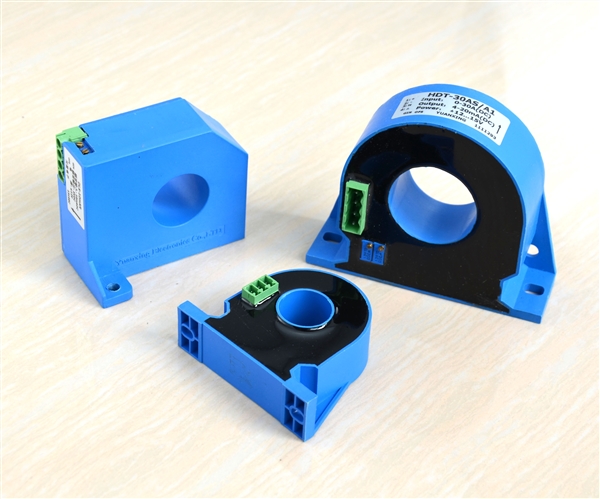
Honeywell needed a stable and highly accurate way to measure current fluctuations in large commercial buildings. Existing sensors often produced noise and drifted over time, creating errors in smart energy dashboards
Honeywell needed a stable and highly accurate way to measure current fluctuations in large commercial buildings. Existing sensors often produced noise and drifted over time, creating errors in smart energy dashboards
Honeywell needed a stable and highly accurate way to measure current fluctuations in large commercial buildings. Existing sensors often produced noise and drifted over time, creating errors in smart energy dashboards
Honeywell needed a stable and highly accurate way to measure current fluctuations in large commercial buildings. Existing sensors often produced noise and drifted over time, creating errors in smart energy dashboards
Honeywell needed a stable and highly accurate way to measure current fluctuations in large commercial buildings. Existing sensors often produced noise and drifted over time, creating errors in smart energy dashboards